Second-Generation DAC Wheel Hub Bearing vs. Third-Generation Integrated Wheel Hub Unit: A Complete Comparison
From: XingMao DATE: 2026/7/1 Hits: 3661
Second-Generation DAC Wheel Hub Bearing vs. Third-Generation Integrated Wheel Hub Unit: A Complete Comparison
I. Structural Form (Most Intuitive Distinction)
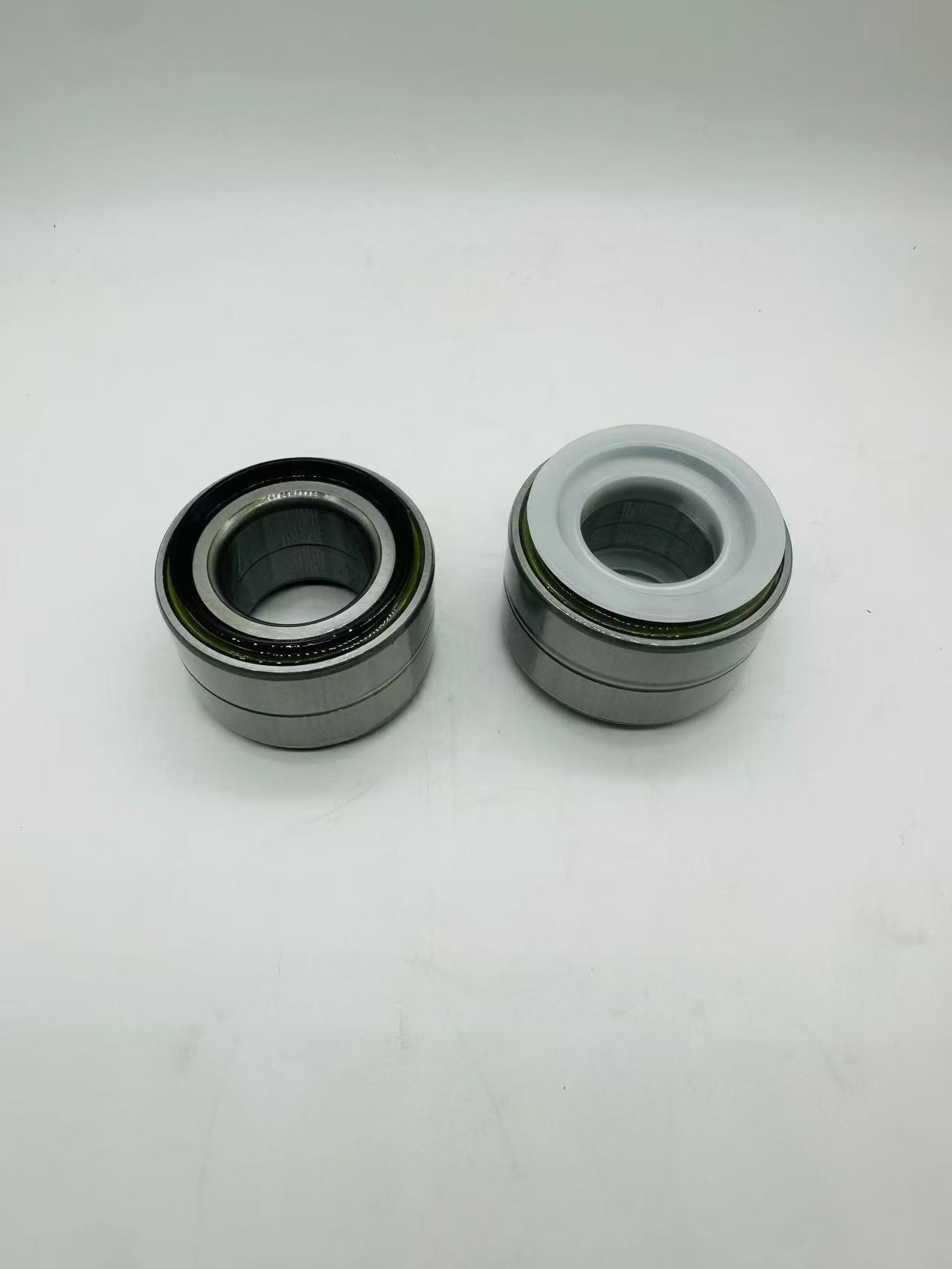
Second Generation: Only a single double-row bearing body, no wheel hub flange, no mounting bolts, no internal splines; a pure cylindrical bearing.
It must be pressed separately into the original wheel hub axle head during installation; it's a separate accessory.
Third Generation: Integrated structur...
I. Structural Form (Most Intuitive Distinction)
Second Generation: Only a single double-row bearing body, no wheel hub flange, no mounting bolts, no internal splines; a pure cylindrical bearing.
It must be pressed separately into the original wheel hub axle head during installation; it's a separate accessory.
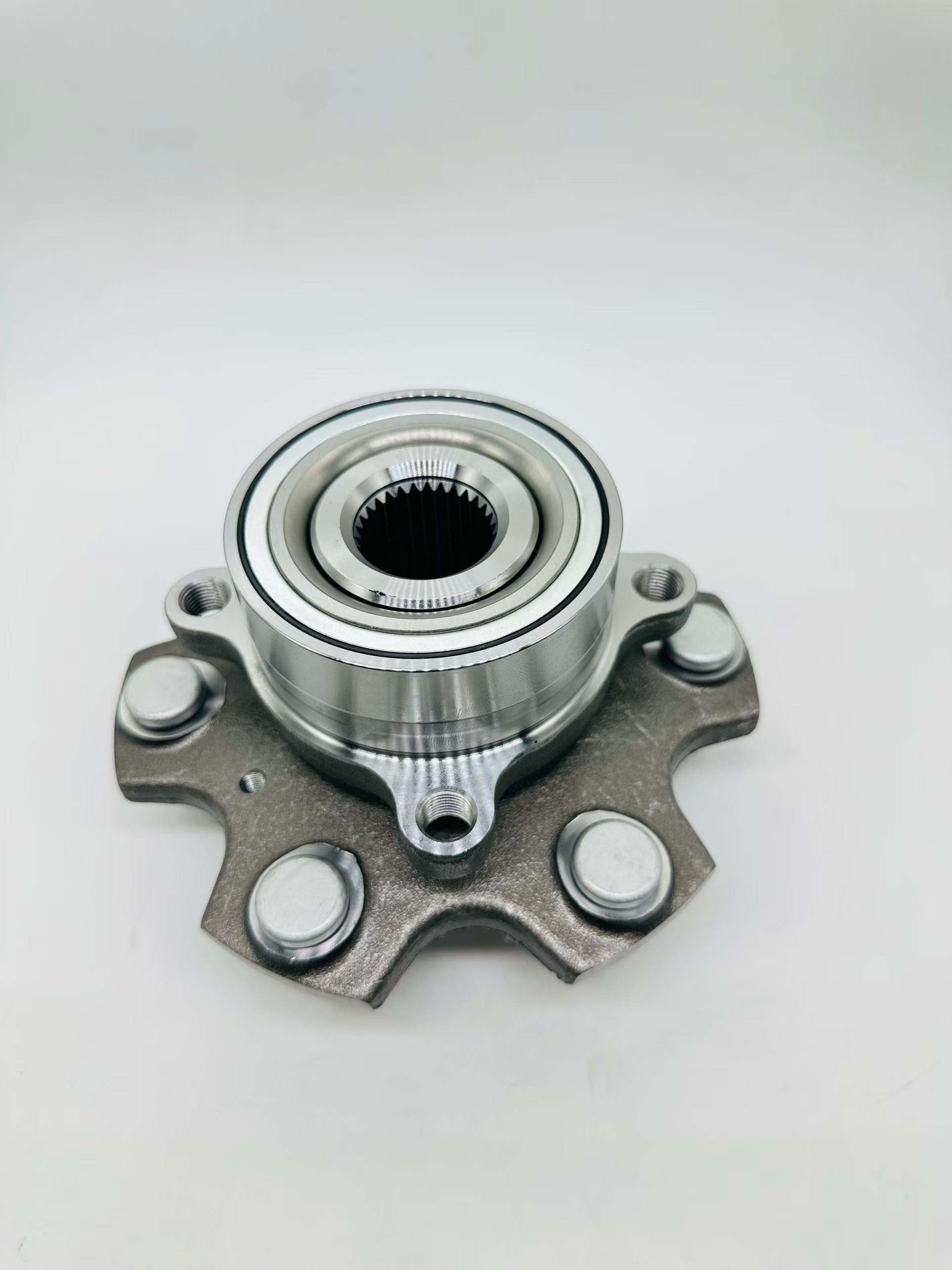
Third Generation: Integrated structure: Bearing + forged wheel hub flange + fixing bolts + internal splines (four-wheel drive version) + sealing components are all pre-installed as a complete assembly. It can be directly installed without additional pressing.
II. Installation Method and Labor Time
Second-Generation DAC: Complex process: Requires disassembling the old wheel hub, using a hydraulic press to press out the old bearing, pressing the new bearing into the wheel hub, and then installing the half-shaft and brake disc; Longer labor time, repair shops need specialized pressing equipment, high labor costs; Prone to improper pressing, bearing misalignment, leading to premature noise and wear.
Third-generation wheel hub unit: Modular overall replacement; simply remove 5 fixing screws to replace the entire set; No press press required, replacement can be completed with a regular wrench, reducing maintenance time by 60%; High assembly consistency, significantly reducing human installation errors.
III. Load Capacity and Applicable Vehicles
Second-generation DAC bearing: Double-row ball bearing structure, medium load capacity; Suitable for: Passenger cars, small hatchbacks/sedans, two-wheel drive cars; Not suitable for heavy-duty, off-road, pickup trucks, or four-wheel drive vehicles.
Third-generation wheel hub unit: Available in two structures: Double-row ball bearing / Double-row tapered roller bearing; Thickened forged flanges for stronger overall rigidity and significantly improved radial and axial load capacity; Suitable for: SUVs, hardcore off-road vehicles, four-wheel drive vehicles, pickup trucks, light trucks, and heavy-duty vehicles; The internal spline style is specifically designed for four-wheel drive half-shafts to transmit power.
IV. ABS Wheel Speed Sensor Configuration
Second Generation DAC: Only some models have an external magnetic ring on the outer ring, which is prone to detachment and water ingress causing failure; some older models lack an ABS magnetic ring.
Third Generation Unit: The magnetic encoder is integrally injection-molded and sealed inside the bearing, isolating it from mud and water, resulting in stable signal and a lower failure rate. Newer models come standard with a built-in ABS magnetic ring.
V. Sealing and Durability
Second Generation DAC: Only double-sealed at both ends of the bearing, allowing mud and sand to easily enter the wheel hub axle gaps, leading to a shorter lifespan in off-road and water-wading conditions;
Third Generation Assembly: A multi-seal structure of flange + bearing, with multiple dustproof rings, providing better protection in harsh environments such as mud, water, and mountain roads, and a longer service life.
VI. Differences in Warehousing and International Trade Distribution
Second Generation DAC Bearing: Small size, lightweight, requiring less storage space; low unit price, high sales volume, suitable for distribution to ordinary family cars, reducing customer inventory pressure;
Disadvantages: Repair shops require a press, and operation is limited in remote repair shops.
Third-generation wheel units: Larger size, heavier per unit, higher warehousing costs; higher unit price and profit margin.
Advantages: Simpler installation in repair shops, higher terminal repair fees, significant premium in the off-road and pickup truck markets, better wholesale profits.
VII. Procurement Costs and Market Positioning
Second Generation: Low-price, high-volume replacement of basic market models, low profit margin, high sales volume;
Third Generation: Mid-to-high-end replacement parts, suitable for popular off-road and four-wheel drive models, higher customer profits, suitable for supplying in combination with DAC bearings.
If you are interested in these two bearings or have any different opinions, please feel free to contact us.