Does a bearing running a "high fever" mean it's a lost cause? Don't panic—here is a guide to bringing that temperature down.
From: XingMao DATE: 2026/7/24 Hits: 2578
Does a bearing running a "high fever" mean it's a lost cause? Don't panic—here is a guide to bringing that temperature down.
In the daily maintenance and operation of industrial equipment, many frontline technicians and operators harbor a deep-seated misconception: that a bearing is essentially "sentenced to death" the moment a high-temperature alarm triggers. But is that really the case? Practical experience in the railway locomotive industry shows that a rise in temperature does...
In the daily maintenance and operation of industrial equipment, many frontline technicians and operators harbor a deep-seated misconception: that a bearing is essentially "sentenced to death" the moment a high-temperature alarm triggers. But is that really the case? Practical experience in the railway locomotive industry shows that a rise in temperature does not equate to a bearing being ruined. Often, it is merely a "distress signal" from the equipment, pointing to relatively minor issues related to lubrication, installation, or the operating environment. Once the root cause is identified, the bearing can often be fully restored to health.
Why do bearings "run a fever"? Fundamentally, it is the result of a disrupted thermal balance caused by the conversion of mechanical energy into heat. There are four main "culprits" behind this temperature rise. First is lubrication—the prime suspect. Statistics show that approximately 40% of bearing failures are linked to poor lubrication. A lack of lubricant leads to dry friction, causing temperatures to skyrocket; however, "too much of a good thing" can also be harmful. Over-greasing (the general recommendation is to fill one-third to one-half of the free space) triggers intense "grease churning," which also causes rapid heating. Additionally, grease degradation or contamination with impurities can compromise the lubricant film and exacerbate friction.
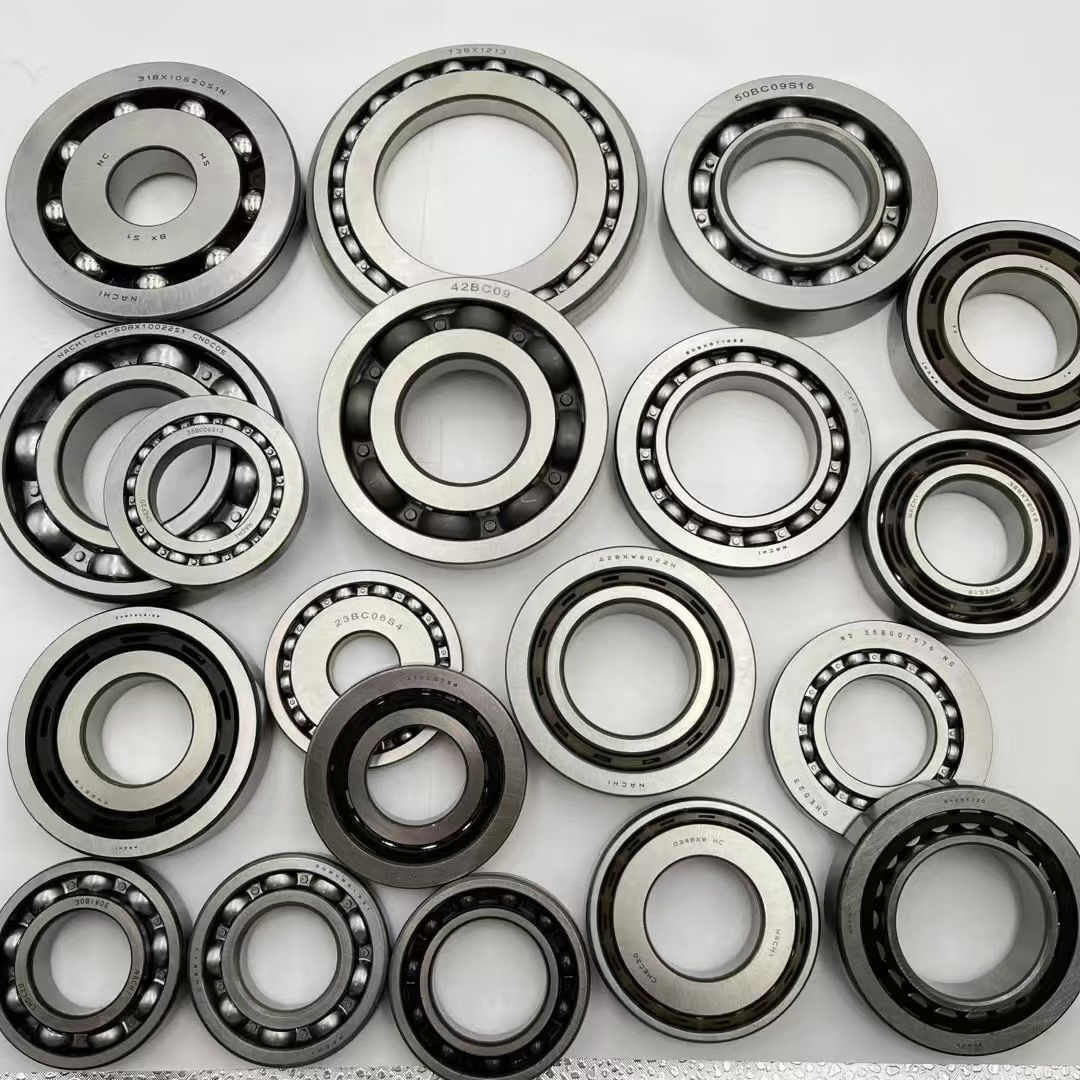
Second are issues stemming from installation and fit. Problems such as insufficient internal clearance, excessive preload, bearing misalignment, or fits that are too tight or too loose can all lead to uneven load distribution. In particular, a fit that is too loose can cause "ring creep" (or "running"), where the inner or outer ring slips against the shaft or housing bore, generating intense frictional heat. Third is excessive load; when actual operating conditions exceed the bearing's design capacity, extra dynamic loads are converted into heat. Finally, there is physical damage to the bearing itself, such as wear, spalling, or cage breakage. It is important to note that such damage is usually the "result" of prolonged high temperatures or lubrication failure, rather than the "root cause."
When faced with a bearing "fever," how can you accurately diagnose the problem? Frontline personnel can utilize the following three practical techniques. The first approach is the "comparative method": rather than looking at absolute temperature in isolation, benchmark the reading against similar bearings on the same piece of equipment or track the bearing's historical temperature trends. If the relative temperature difference exceeds 10°C, it should be treated as a warning sign of a potential fault, even if the absolute temperature remains within normal limits. The second approach is the "rate method," where the rate of temperature rise is more critical than the absolute value itself. A slow, steady climb may simply indicate normal wear or slight lubrication deficiency; however, an erratic, rapid spike is likely a precursor to catastrophic failure—such as bearing burnout or seizure—and demands immediate intervention.
The third aspect concerns tools and techniques: just as a fine horse deserves a fine saddle, scientific precision is essential for temperature measurement. When using an infrared thermometer or contact thermometer, the choice of measurement point is crucial. Measurements should be taken as close as possible to the bearing's outer ring (within 10 mm), as heat dissipation causes temperature attenuation at the bearing housing surface. If conditions permit, measuring the outer ring temperature directly through the oil port yields greater accuracy. Additionally, using a listening rod to detect abnormal friction sounds—such as clicking or hissing—provides a more comprehensive diagnostic picture.
In summary, temperature serves as the most intuitive "health dashboard" for bearings. When an alarm sounds, there is no need to panic, nor should one resort to blind emergency shutdowns or hasty replacements. By learning to interpret the data behind the temperature readings and combining this with vibration and acoustic analysis, we can shift from reactive emergency repairs to proactive, preventive maintenance—effectively nipping equipment issues in the bud.